Eye color guide
Eye color chart: every eye color, and the rarest one
Every eye color comes from one pigment and one trick of light. Plenty of melanin in the front of the iris makes brown eyes, the most common color worldwide; very little lets light scatter and look blue, gray, or green. Green is the rarest eye color that gets counted, at about 2% of people worldwide (American Academy of Ophthalmology).
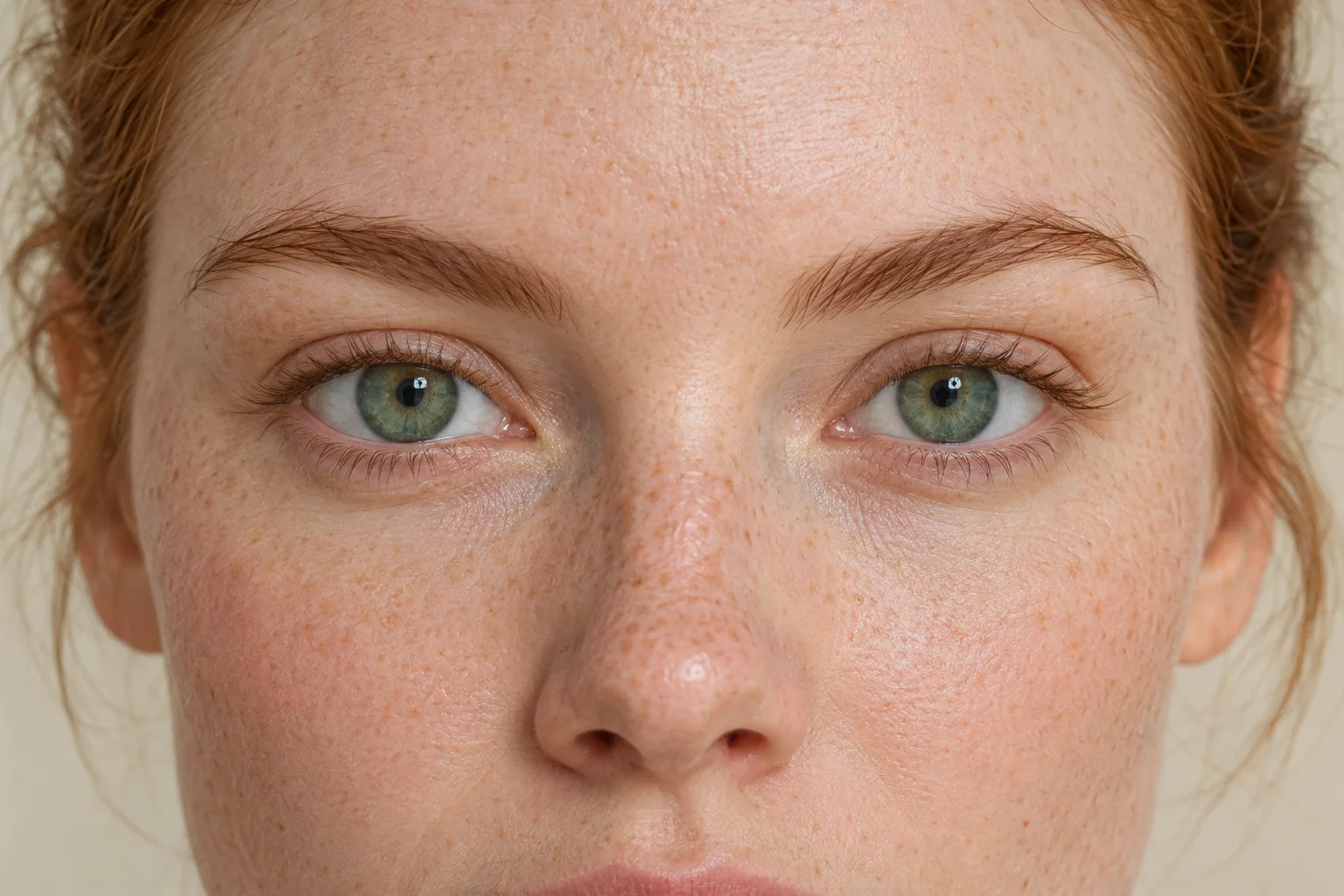
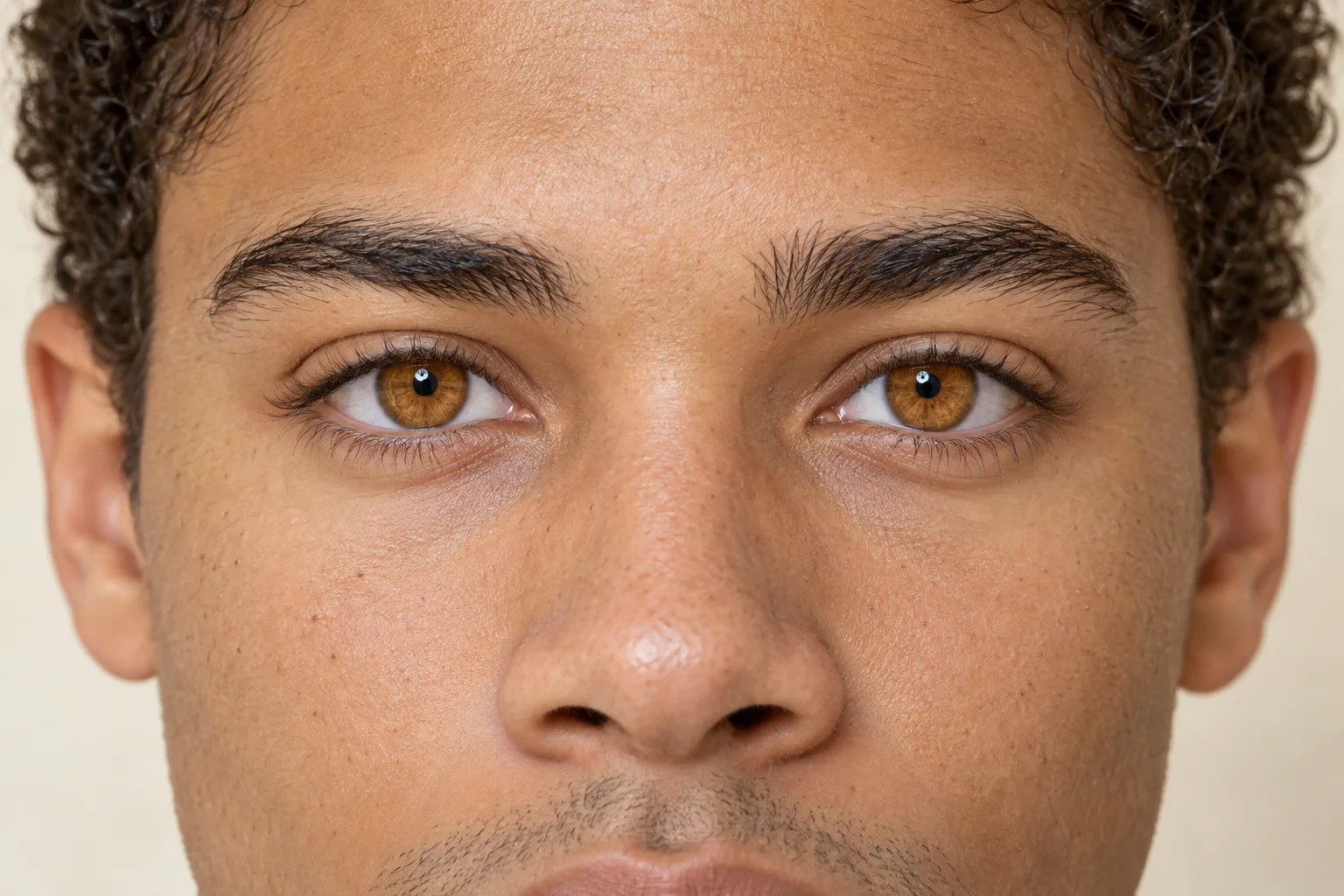
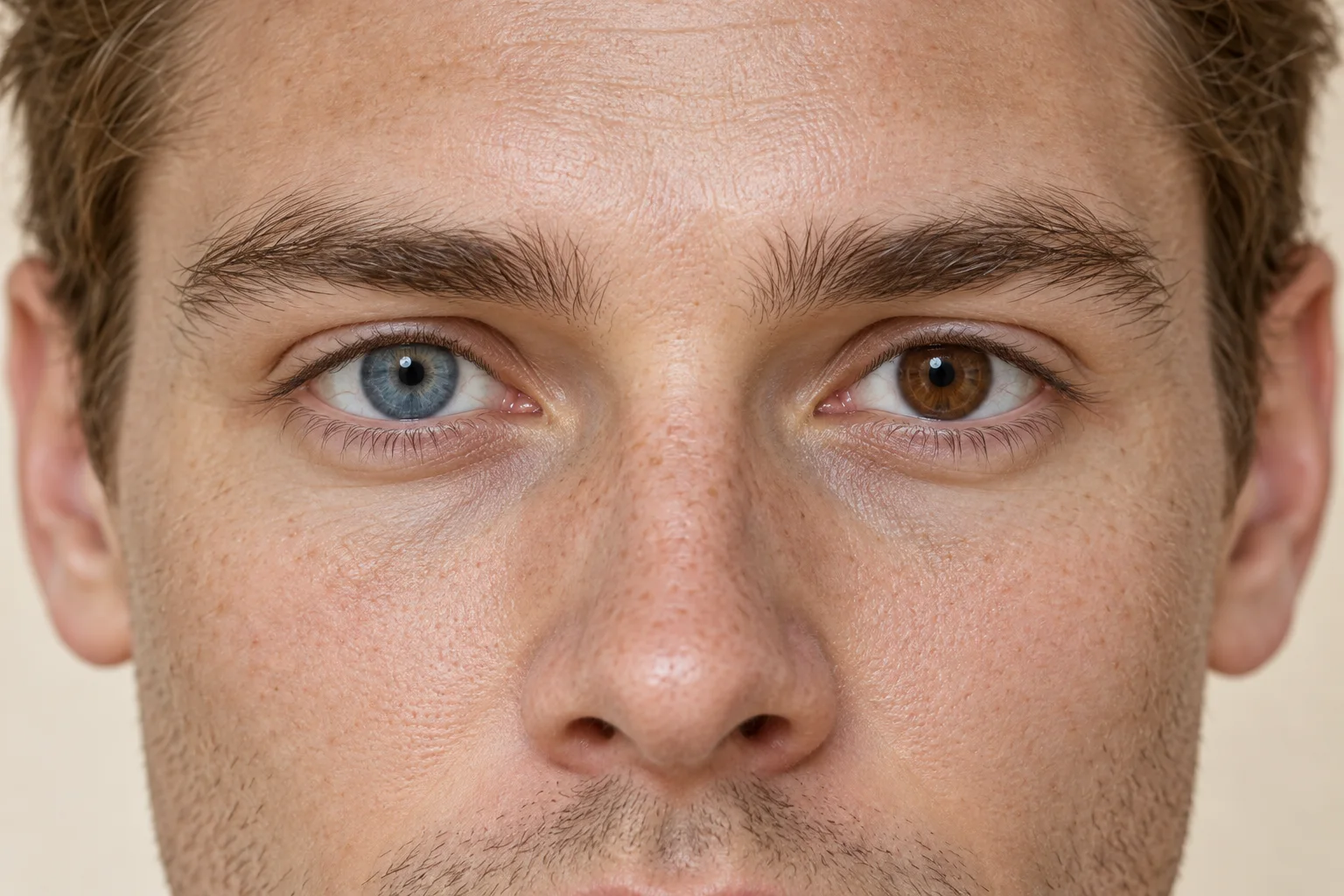
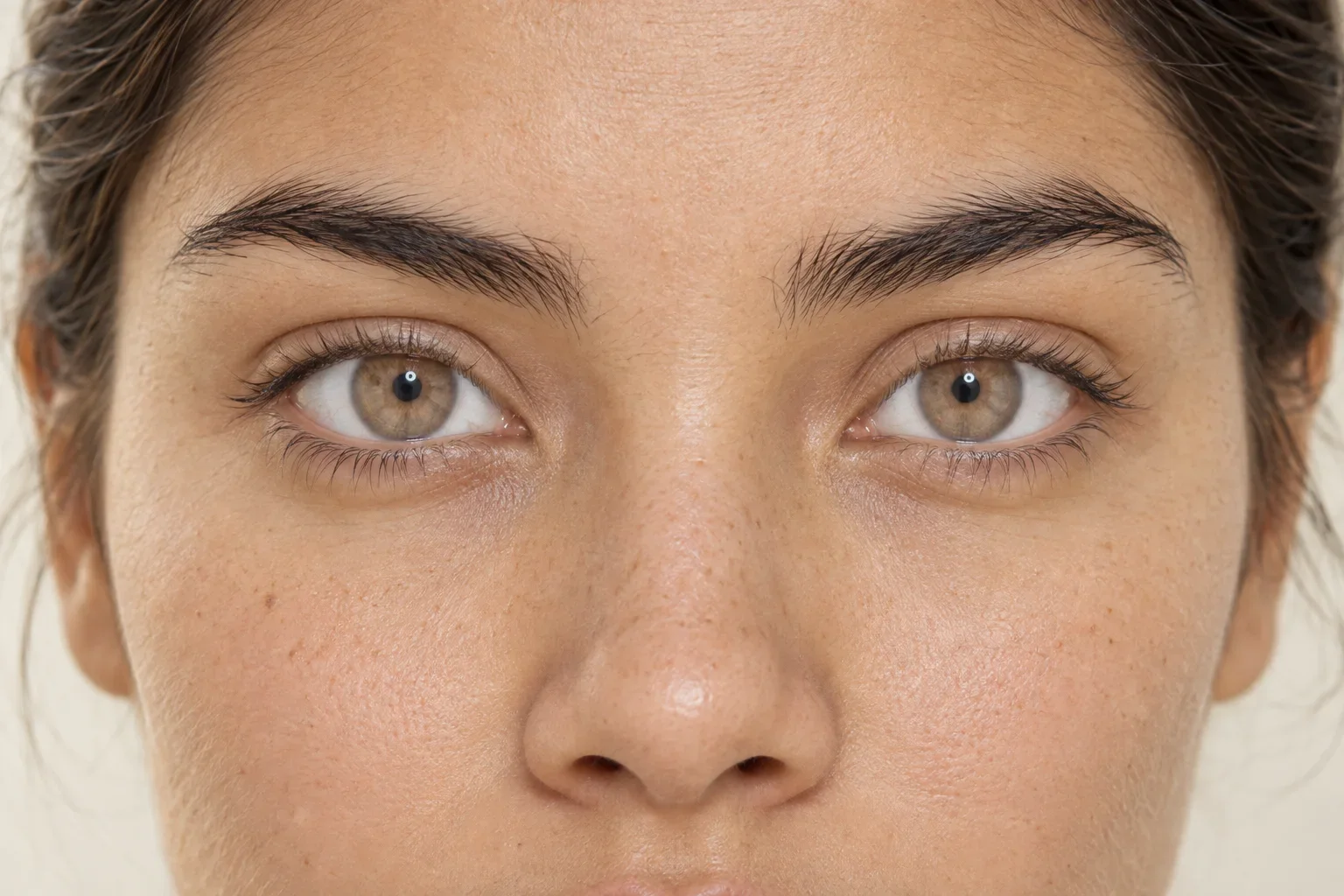
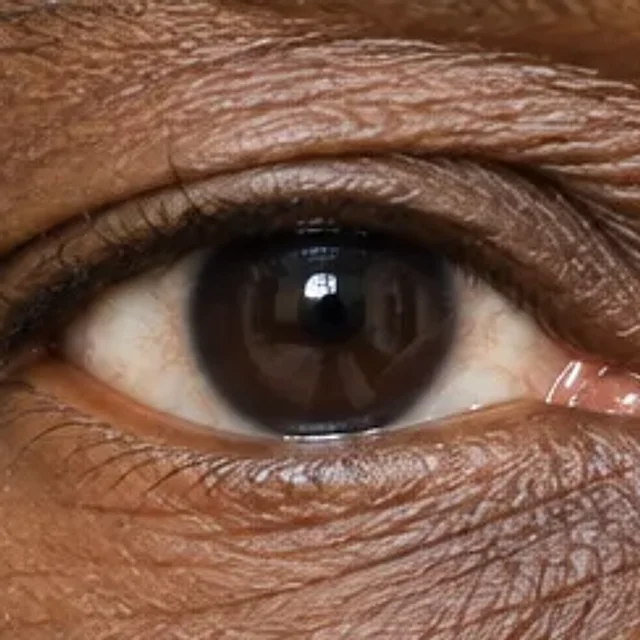
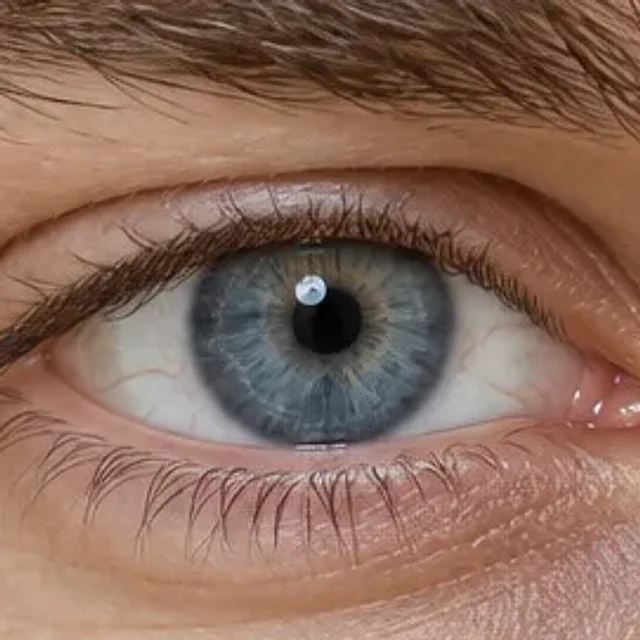
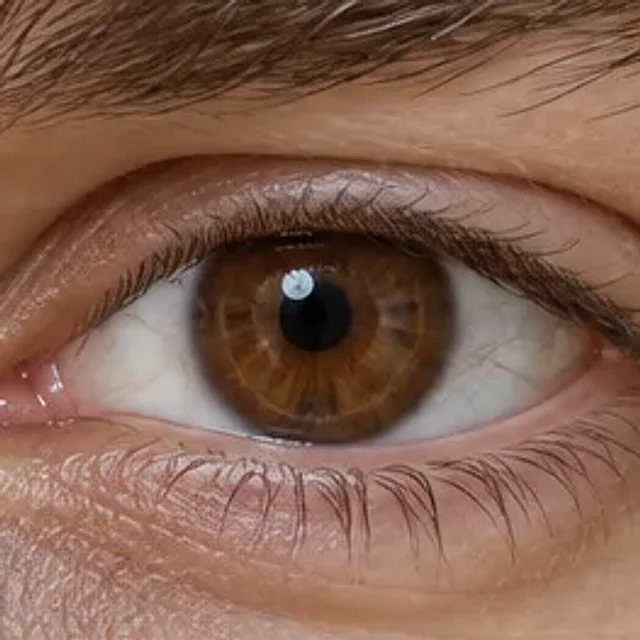
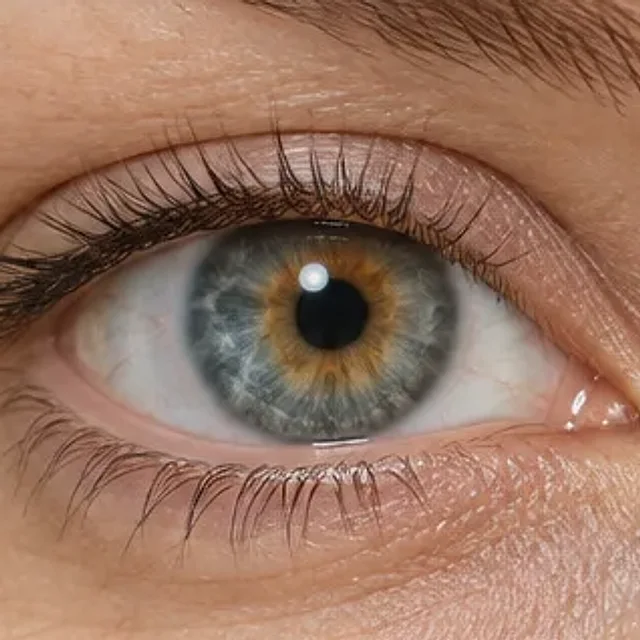
The eye color chart, from least pigment to most
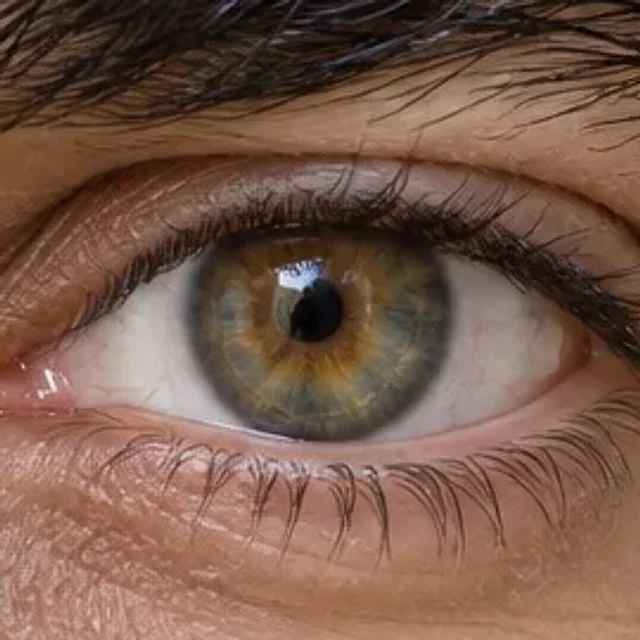
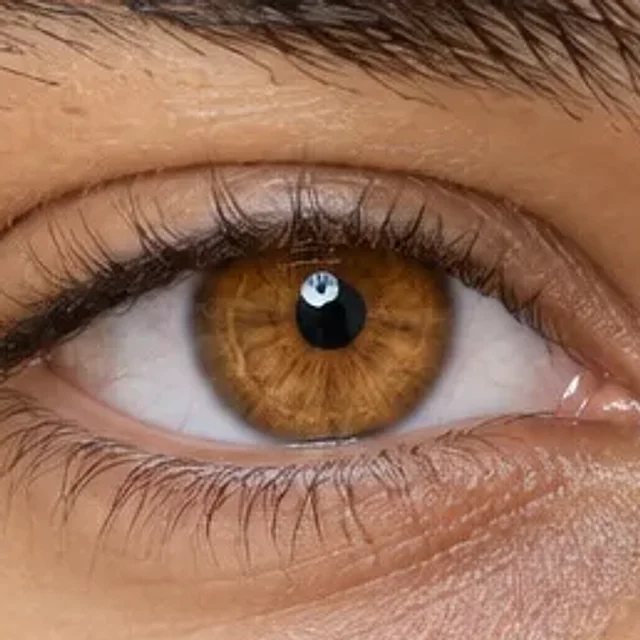
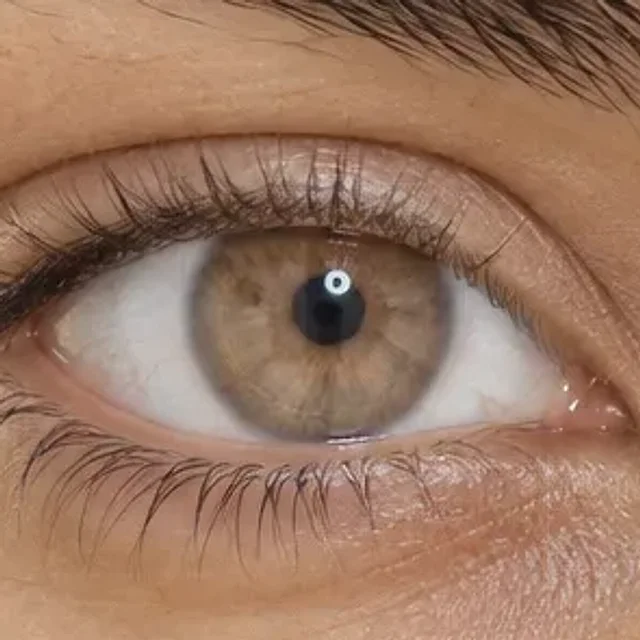
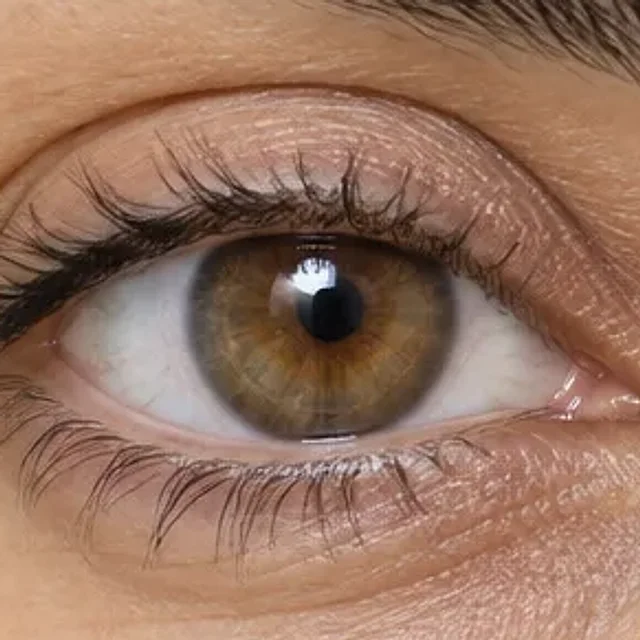
This eye color chart (or eye colour chart, if you spell it the British way) runs from the irises with the least melanin to those with the most. Tap any eye for its full guide: how to tell it apart, how it changes in different light, and what to wear with it.
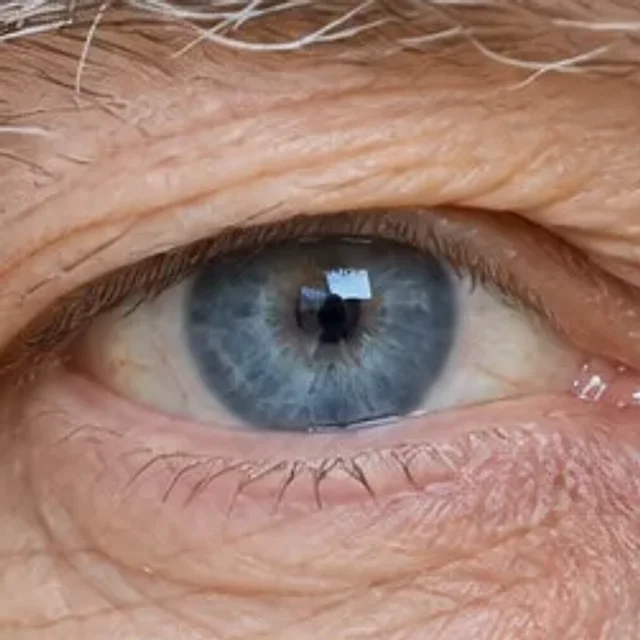
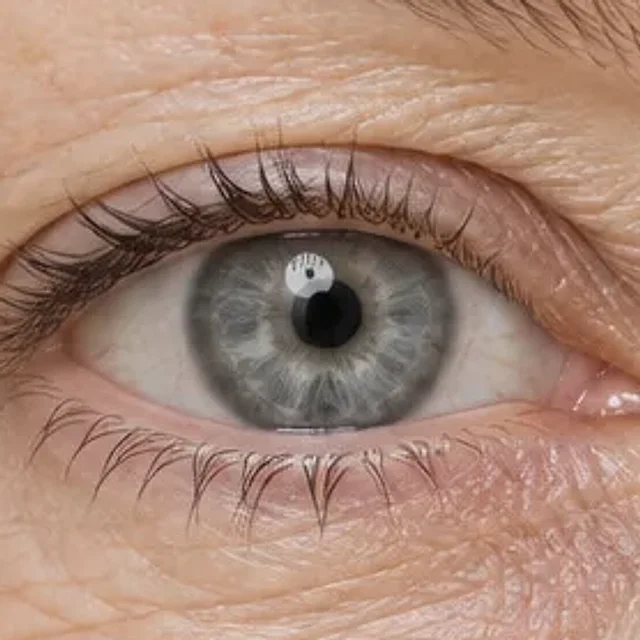
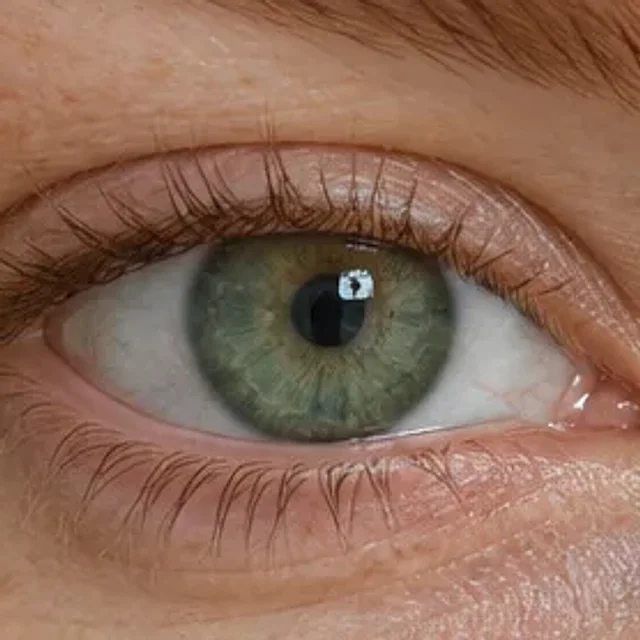
What gives eyes their color
The colored part of your eye, the iris, sits behind the clear cornea, which measured about 11.7 mm across on average in a study of 390 adults (Rüfer et al., 2005). Two of its layers matter for color. The back layer is dark in every eye color. The front layer, the stroma, is a loose web of collagen fibers and pigment cells, and how much melanin, the pigment of skin and hair, those cells hold decides most of your eye color (Sturm and Larsson, 2009).
- Pupil. The opening that lets light in. It shrinks in bright light and widens in the dark.
- Collarette. A wavy ridge that splits the iris in two; hazel eyes change color here.
- Stroma. The front layer of fibers. Its pigment, and how it scatters light, make the color.
- Crypts. Small pits where the front layer is thinner.
- Limbal ring. The dark rim where the iris meets the white of the eye.
Little pigment: blue
- Daylight goes in.
- The bare fibers send blue back out.
- Almost no melanin in the front layer.
- Reds and yellows are absorbed at the back.
Lots of pigment: brown
- Daylight goes in.
- Only a little brown light returns.
- Melanin fills the front layer and absorbs most light.
- Hardly any light reaches the back.
So brown eyes are brown because pigment absorbs the light, and blue eyes are blue because, with little pigment in the way, the fibers scatter blue light back out (Sturm and Larsson, 2009). Green sits in between, a little pigment mixed with that scatter (AAO); how hazel and gray form is still being worked out (AAO).
What is the rarest eye color?
Of the eye colors that get counted, green is the rarest and brown the most common, by the American Academy of Ophthalmology's figures below. Beyond that, nobody knows, because the rarest-sounding colors are the ones nobody counts.
Rare, but never counted
- Gray Counted together with blue in almost every study, so it has no figure of its own.
- Amber Folded into light brown or green-hazel by research scales. No survey has counted it.
- Heterochromia Uncommon, but nobody knows the exact share of people who have it (Cleveland Clinic).
- Pink or redWith albinism, an iris with almost no melanin can look pink or red, because blood vessels show through (AAO).
So when a website names gray or amber as the rarest eye color and gives a precise percentage, ask where the number came from; we could not find one. Eye color data from outside Europe are especially scarce (Katsara and Nothnagel, 2019).
Why eye color looks different in different light
Your iris does not change color from room to room, but the light reaching it does. Daylight holds every color, warm bulbs have little blue, and shade and clouds tint everything cool. Eyes that get their color from scattered light, blue, gray, green, and hazel, shift the most, because they have less pigment to hold the color steady.
Your pupil matters too: it shrinks in bright light, showing more of the iris and any ring of gold around the pupil. Clothes near your face add their own reflected color and contrast. Our hazel guide shows how much one eye can shift; to judge your own color, face a window on a bright day, with no flash.
- Window daylightClosest to the real color
- Cloudy dayCooler and flatter
- Warm lampWarmer, toward olive
- Direct sunBrighter, small pupil
Eye colors compared
What makes each color, the quickest way to recognize it, and the color it gets mistaken for most.
| Eye color | What makes it | Quick check | Often confused with |
|---|---|---|---|
| Blue | Very little melanin; fibers scatter blue light | Clear blue in window daylight | Gray, blue-green |
| Gray | Very little melanin; denser fibers scatter more evenly | Silver or slate, barely changes with a blue scarf | Blue |
| Green | A little red-yellow melanin over blue scatter | Green body, any gold kept to a thin ring | Hazel, blue-green |
| Hazel | More melanin at the center than at the edge | Brown center fading to green or gray | Amber, light brown, green |
| Amber | Moderate melanin, likely more of the red-yellow form | One even gold from pupil to rim | Hazel, light brown |
| Light brown | A moderate amount of brown melanin | Brown all the way out, no green | Hazel, amber |
| Brown | Plenty of melanin, mostly the dark form | Brown that absorbs most light | Light or dark brown |
| Dark brown | The most melanin of any eye | Pupil vanishes into the iris indoors | "Black" eyes |
| Heterochromia | Different melanin in two eyes, or two parts of one | Two colors: two eyes, a wedge, or a ring | Hazel (for the central type) |
Eye color and your color season
Seasonal color analysis looks at your skin, hair, and eyes together, so your eye color narrows your season down without deciding it. Start with the seasons below, then check the whole picture with the seasonal color analysis tool, or browse all 12 color seasons.
- BlueLight SpringLight SummerTrue SummerTrue Winter
- GrayLight SummerTrue SummerSoft SummerBright Winter
- GreenTrue SpringBright SpringSoft AutumnTrue Autumn
- HazelSoft AutumnTrue AutumnTrue SpringSoft Summer
- AmberTrue AutumnTrue SpringBright Spring
- Light brownTrue SpringLight SpringSoft Autumn
- BrownTrue AutumnSoft AutumnTrue SummerSoft Summer
- Dark brownDeep AutumnDeep WinterTrue WinterBright Winter
Eye color FAQ
What are the different eye colors?
Most charts use eight: blue, gray, green, hazel, amber, light brown, brown, and dark brown. Heterochromia is a pattern rather than a color: two colors in one person. Plenty of eyes sit between two neighbors on the chart, such as blue-gray or green-hazel.
What is the most common eye color?
Brown, by a wide margin. Our brown eyes guide has the worldwide figures and explains why brown dominates.
Can your eye color change?
In babies, often: eyes that start blue may darken over the first few years (see blue eyes). In adults, the look shifts with light, and a few eyes change slowly over years, as our hazel guide explains. If one eye changes color, see when to see an eye doctor.
What determines eye color?
The amount and type of melanin in the front of the iris, set by several genes, plus how the iris fibers scatter light. Our brown eyes guide covers the genes, and the section above shows the light.
Is hazel or green rarer?
Nobody can say for sure, because most research puts green and hazel in one group. The American Academy of Ophthalmology gives green a figure and gives none for hazel.
Can eyes be pink or red?
Not as a natural eye color. In albinism, an iris with very little melanin can look pink or red because blood vessels show through (AAO).
You know your eye color. Now see your skin.
GoodSkin does not read eye color; it reads skin. One selfie gives you a Skin Score out of 100 and scores for 14 traits, from redness and pores to glow, so you can see what your routine is doing.


Scan with your phone camera