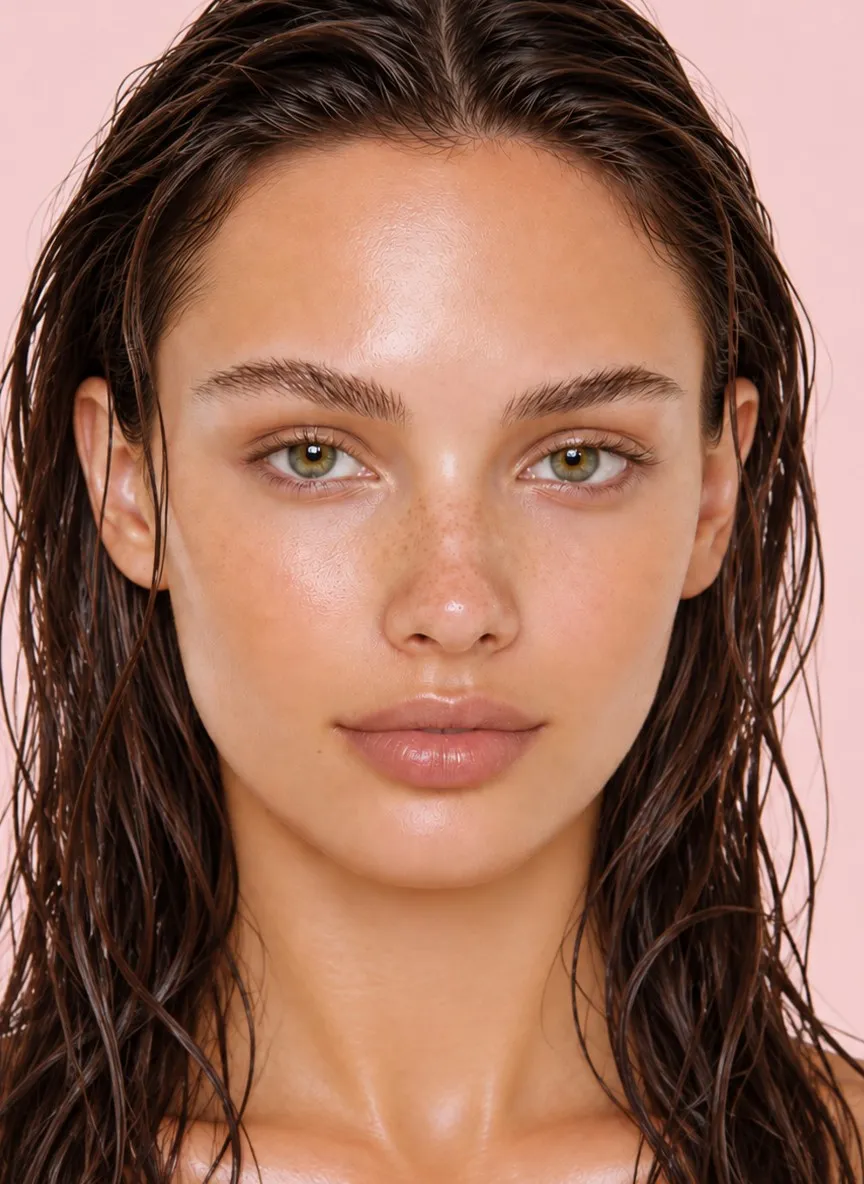
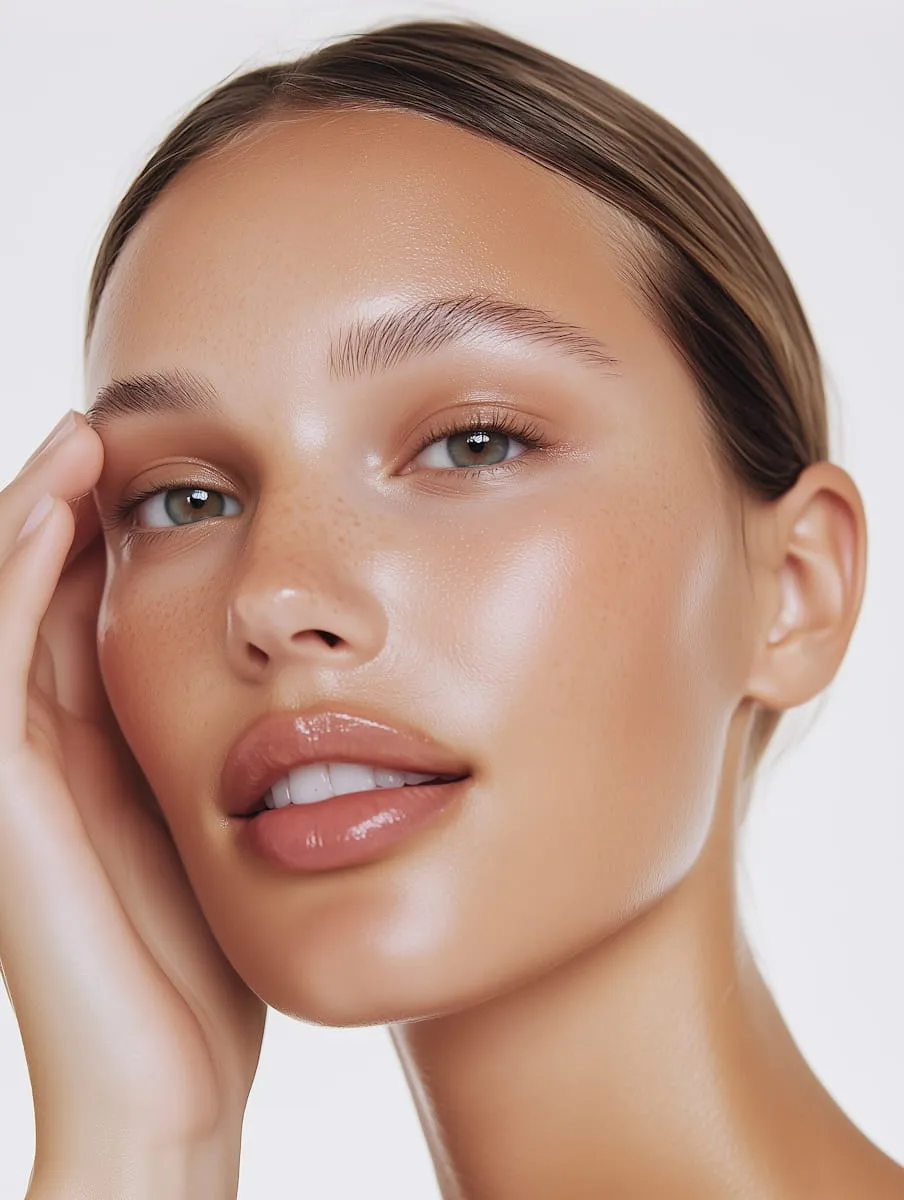
Find your color season from a selfie or eight quick questions, then see your best colors draped under your own face. Your photo stays on your device.
Runs in your browser. Nothing is uploaded.
What season are you?
Finding your face
or try a sample
Skin, hair, and eyes, read from one selfie
We read the color of your cheeks, your hair, and your irises, then place you on three scales: cool to warm, light to deep, and soft to bright. The closest of the 12 seasons is yours.
Spring
LightTrueBright
Summer
LightTrueSoft
Autumn
SoftTrueDeep
Winter
DeepTrueBright
Then see your best colors, and the ones to avoid, draped under your own face.
Face a window in daylight. No makeup, no filter, and your hair and eyes in view. Lamps and filters change the colors a camera sees.
Reading your colors
Finding your face
Reading your skin, hair, and eyes
Placing you among the 12 seasons
Loading the face model (first time only)…
We couldn’t find a face
Try a brighter photo where your whole face is visible and facing the camera.
We couldn’t open that photo
Try another photo. JPG, PNG and HEIC all work.
Something went wrong
Check your connection and try again.
1 / 8
Your color season
Read from your photo
Skin
Hair
Eyes
UndertoneCoolWarm
DepthLightDeep
ContrastSoftBright
You
Close second: . You sit between the two seasons, so drape both and see which one wins.
Daylight from a window gives the truest reading. The quiz is a good second opinion.
A color analyst holds fabric under your chin and watches your skin, not the fabric. Tap through your best colors, then the ones to avoid, and see which ones light up your face.
See these colors under your own face. Your photo stays on your device.
Swipe the photo or use the arrows
The right colors even out your skin, soften shadows, and make your eyes look clearer.
The wrong ones deepen shadows under your eyes and can make skin look gray, sallow, or red.
Seasonal color analysis sorts natural coloring into 12 seasons, so you can find the clothes, makeup, and hair colors that look best on you. It grew out of the four seasons that the 1980 bestseller Color Me Beautiful made famous: Spring, Summer, Autumn, and Winter. Analysts later split each family into three, which gave the 12-season system most of them use today.
Each of the 12 seasons has one strongest quality and borrows a second one from its neighbor. True Autumn is warm first. Soft Autumn is soft first and warm second, so it sits right next to Soft Summer, which is soft first and cool second. That is why the season next door is often a close call, and why the tool shows you a runner-up.
The three axes: undertone, depth, and contrast
Every season sits at a point on three scales. Find your point on all three and the closest season is yours.
Undertone (cool to warm). Whether your coloring leans pink and blue or golden and peachy. Spring and Autumn are warm, Summer and Winter are cool. The photo check reads the hue of your cheeks the same way our skin tone and undertone test does, then adds in your hair and eyes.
Depth (light to deep). How light or dark your hair, skin, and eyes are together. Light Spring and Light Summer are pale overall, while Deep Autumn and Deep Winter have dark hair and eyes. Not sure what to call your eye color? The eye color detector samples each iris, and theeye color chart shows how each one reads in daylight.
Clarity (soft to bright). How much contrast there is between your hair, skin, and eyes, and how clear or muted your colors are. Dark hair, light skin, and vivid eyes are high contrast, the mark of a Winter or a Bright Spring. Ash hair with gray-green eyes blends softly, like a Soft Summer.
The quiz estimates the same three axes from your answers, so you can use either one, or both as a check on each other.
How to take a photo for color analysis online
A camera records the light in the room as much as your face, so the photo matters more than anything else.
Face a window in daylight. Lamps tint everything yellow, and overhead light throws shadows under your eyes. Indirect daylight on an overcast day is ideal.
Skip makeup, filters, and beauty mode. Foundation changes your skin color, and filters warm or smooth it.
Keep your hair and eyes in view. Look into the lens with your eyes open, and let the hair around your forehead show.
Wear white or gray, against a plain wall. A bright top or a colored wall bounces its color onto your skin.
Use your natural hair color. If your hair is dyed, the photo reads the dye. Take the quiz with your natural color as well.
Color analysis quiz or photo test: which should you use?
Use both if you can. The photo test reads the colors a camera actually records from your skin, hair, and eyes, so it catches things you might not notice yourself, like ash in your hair or how much your eyes stand out. Its weak spot is light: a warm lamp or your phone’s automatic white balance can move your skin a step warmer or cooler.
The seasonal color analysis quiz works the other way around. It doesn’t depend on a photo at all, but it relies on how you see yourself, and most people find contrast the hardest thing to judge about their own face.
When the two agree, you can be fairly confident. When they disagree, it is usually by one step, to a neighbor season that shares one quality with yours. Drape both in the preview, then try them with real clothes in daylight.
What is draping, and how can you do it at home?
In an in-person color analysis, the analyst sits you in daylight with no makeup, covers your hair and clothes in a neutral cape, and holds fabric under your chin one color at a time. The question is never whether a color is pretty. It is what the color does to your face. The right drape evens out your skin, softens shadows and fine lines, and makes your eyes look brighter. The wrong one brings out redness and dark circles, or casts a gray or yellow tint.
You can run a simple version at home with clothes you already own:
Collect pairs of colors. Gold and silver, a tomato red and a raspberry red, black and chocolate brown, pure white and ivory.
Stand facing a window with a bare face. If your hair is dyed, cover it with a white towel.
Hold each color under your chin, one at a time, and look at your skin rather than the fabric. Take a photo of each so you can compare them side by side.
Count which side wins. Warm or cool, light or deep, bright or soft. Your season is where most of the winners point.
The draping preview above does the same with your own photo, holding your season’s colors, the runner-up’s, and the colors to avoid under your chin. A screen can’t bounce light onto your skin the way real fabric does, so use it to narrow things down, then confirm your top two seasons with real fabric.
The four color families: what season am I?
The families tell you the big picture, warm or cool and clear or muted. The three seasons in each one tell you which quality leads, and each one has its own guide.
Spring: warm and clear
Light Spring is light, warm, and fresh: pale golden coloring that glows in clear pastels.
True Spring (also called Warm Spring) is warm and bright: golden skin, golden hair, and colors like a fruit bowl.
Bright Spring (also called Clear Spring) is bright and warm-leaning: clear eyes, high contrast, and saturated color.
Summer: cool and soft
Light Summer is light and cool: soft ash or pale hair, gentle contrast, and powdery pastels.
True Summer (also called Cool Summer) is cool and gentle: pink or rosy skin, ash hair, and blue-based mid-tones.
Soft Summer is soft and cool-leaning: low contrast, smoky eyes, and dusty, blended color.
Autumn: warm and muted
Soft Autumn is soft and warm-leaning: golden but muted, with colors like dried herbs and clay.
True Autumn (also called Warm Autumn) is warm and rich: golden or copper coloring that comes alive in spice tones.
Deep Autumn (also called Dark Autumn) is deep and warm-leaning: dark hair and eyes with colors like a forest at dusk.
Winter: cool and vivid
Deep Winter (also called Dark Winter) is deep and cool-leaning: dark hair and eyes that can wear black and jewel tones.
True Winter (also called Cool Winter) is cool and striking: high contrast between hair and skin, made for pure, icy color.
Bright Winter (also called Clear Winter) is bright and cool-leaning: sparkling eyes and contrast that wants electric color.
To see them side by side, browse the 12 color seasons. If you only want to know whether you are warm or cool, read our guide to skin undertones, and if your skin has a green or gray cast, the olive skin tone guide explains which seasons it tends to fit.
Frequently asked questions
What color season am I?
Your season comes from three things: whether your coloring is warm or cool, light or deep, and soft or bright. Check a selfie or answer the eight questions above to find which of the 12 seasons sits closest, then compare it with the runner-up in the draping preview.
Is online color analysis accurate?
It is a good first answer. A photo depends on the light and the camera, so take yours facing a window in daylight with no makeup or filter, and compare the photo result with the quiz. Holding real fabric under your chin, in person or at home, is the best way to confirm it.
Can your color season change?
Your undertone stays about the same for life, but your depth and contrast can shift. Hair that goes gray or a deep tan changes how colors look next to your face, and many people move toward a softer or lighter neighbor season as their hair grays.
What is the difference between my undertone and my color season?
Your undertone is one part of your season. Your season also takes in your depth and contrast, so two people with warm undertones can be a light, bright Spring or a deep, muted Autumn.
Does dyed hair change my color season?
Your season comes from your natural coloring. If your hair is dyed, answer the quiz with your natural color. The photo check reads the color it sees, so a strong dye can move your result toward a neighbor season.