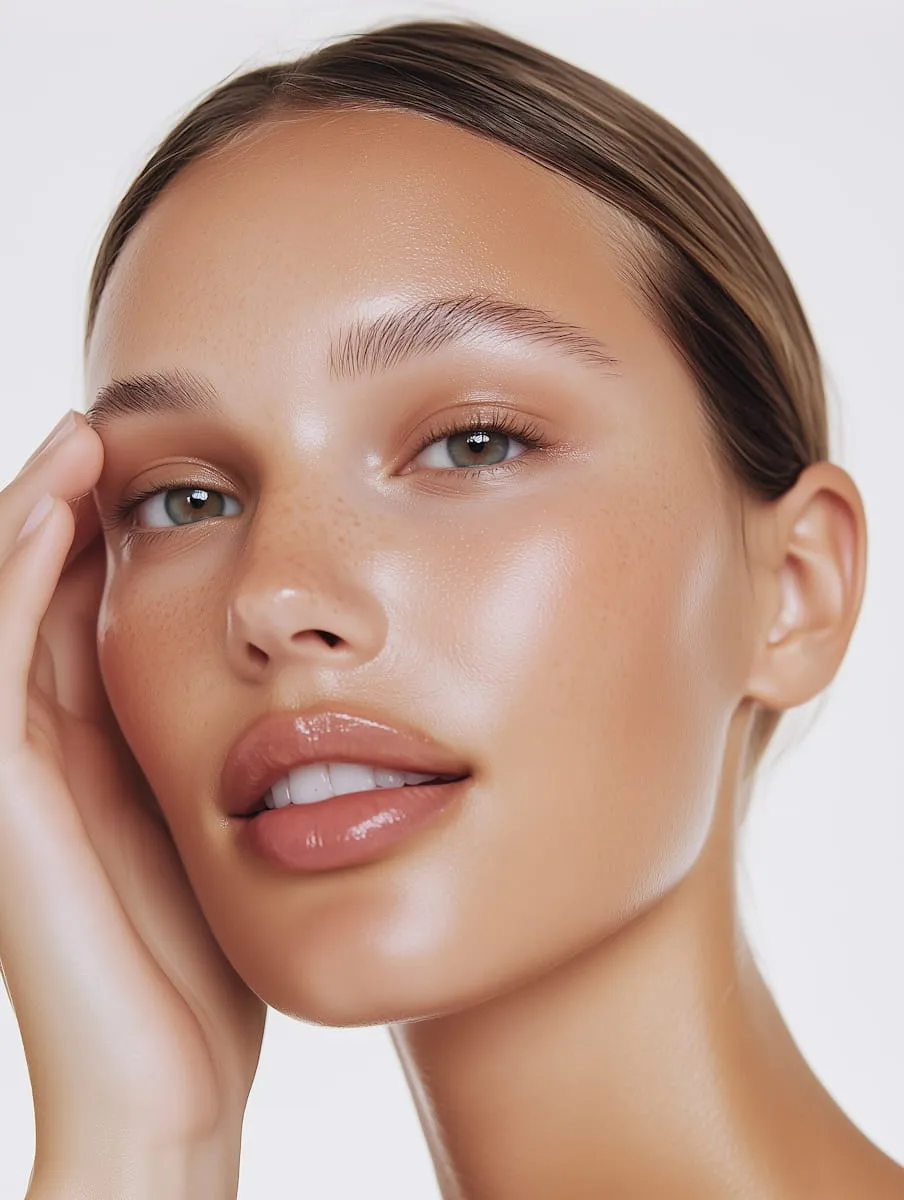
Skin tone guide
Skin tones: the 6 types, from porcelain to deep
Skin tones are grouped by depth, from porcelain and fair through light, medium, and tan to deep. Every depth also has an undertone (cool, neutral, warm, or olive), and the two together decide which clothes, makeup, and metals look most natural on you.
The skin tone map: six depths and four undertones
Cool: pink, red, or blue castNeutral: neither pink nor goldenWarm: golden, peach, or yellow castOlive: muted green-gray cast
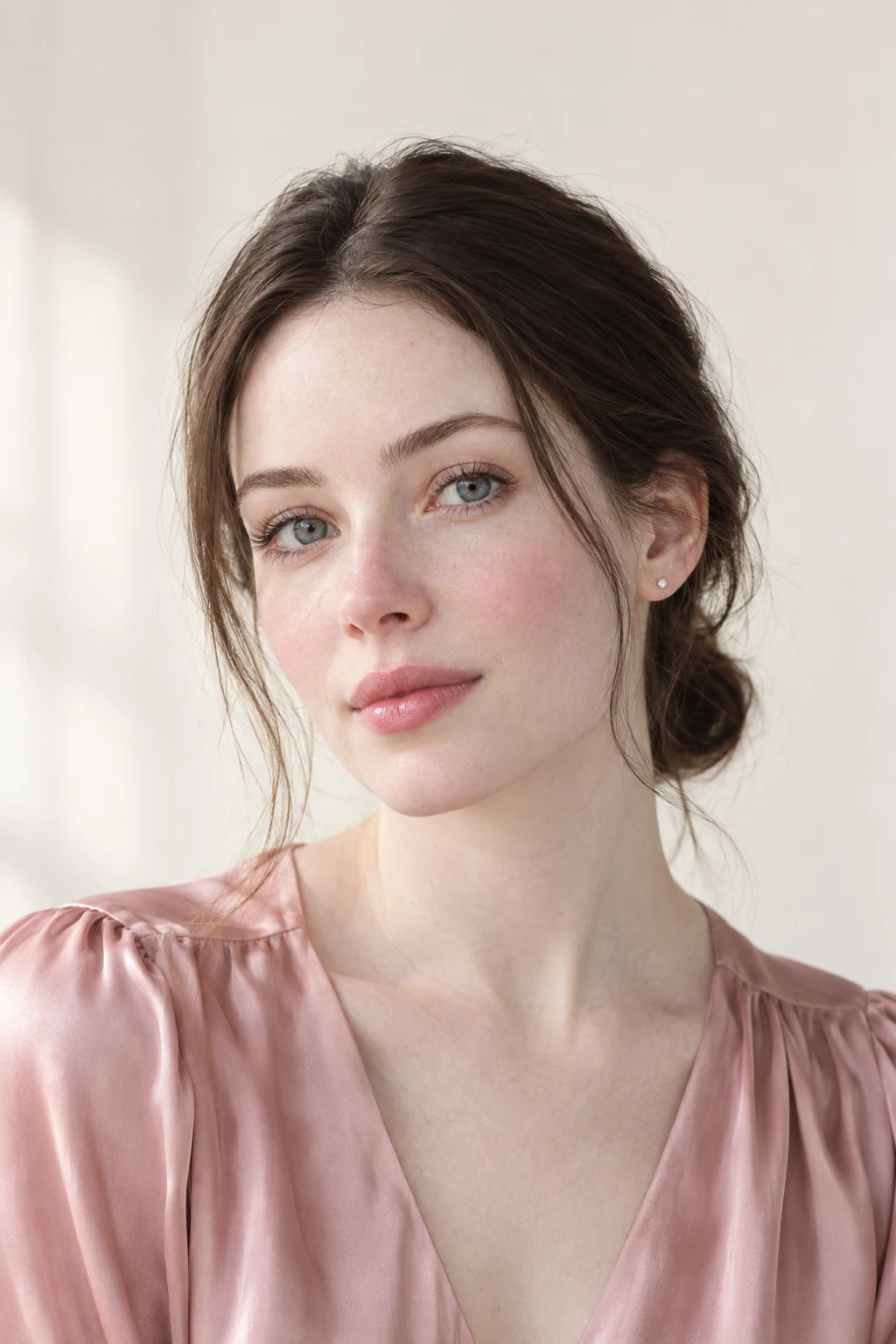


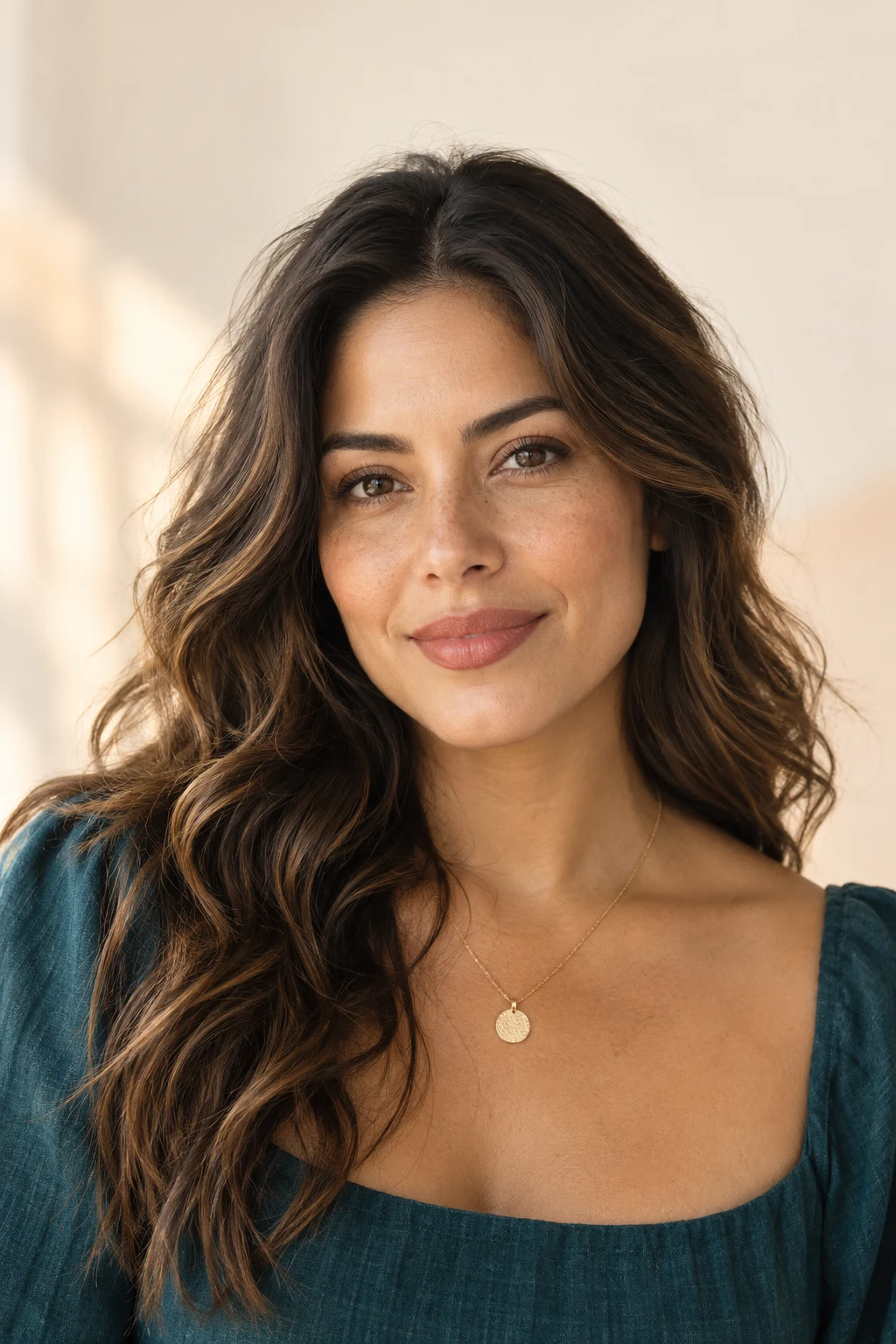

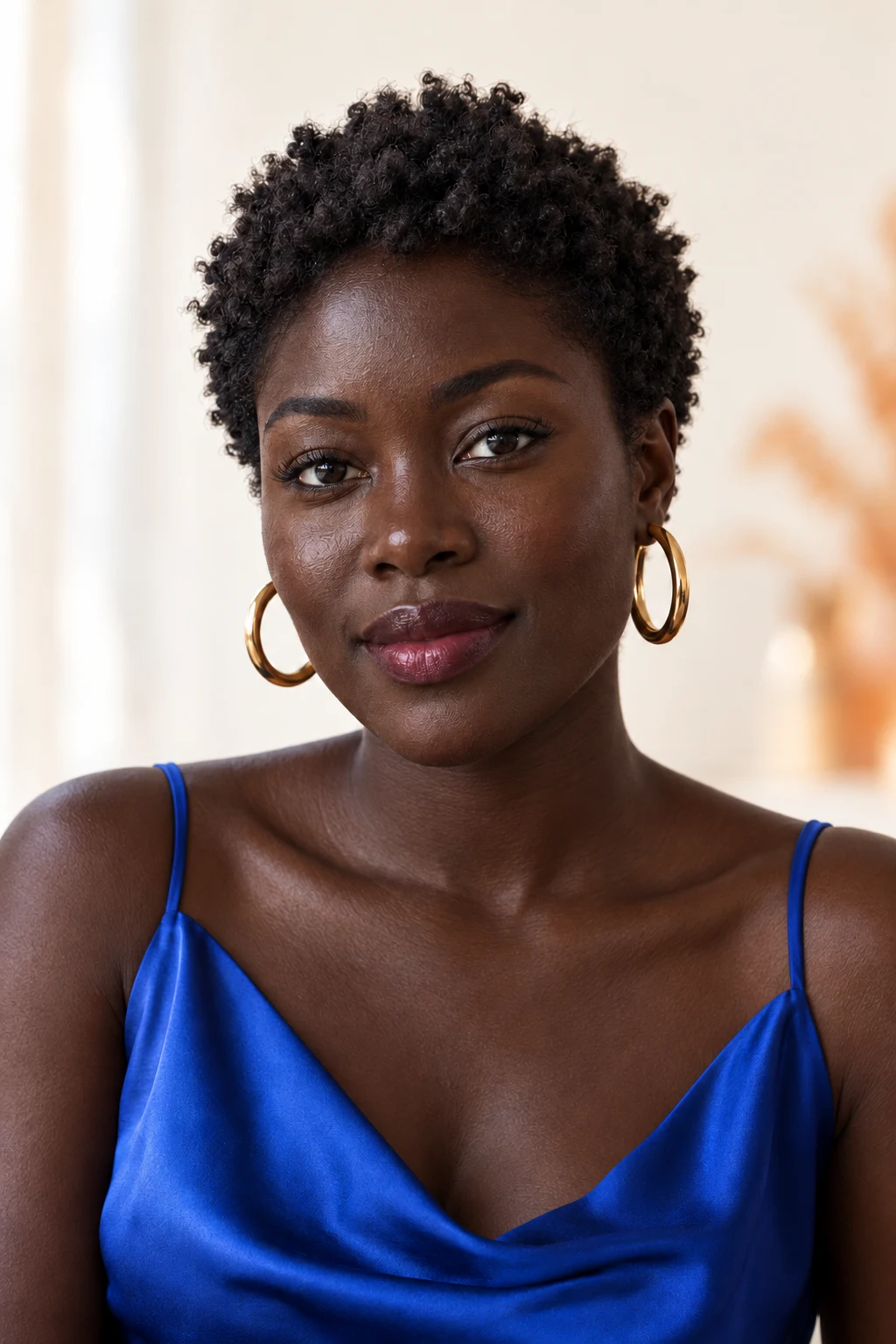
Medium skin, warm undertone
Honey
A golden, glowing medium. Marigold, rust, turquoise, and olive green echo the gold in your skin.
Colors that suit it
- Coral
- Marigold
- Rust
- Turquoise
- Olive
- Chocolate
Hover a swatch to see it. Arrow keys move around the map.Tap any swatch to see who it suits.
What are skin tones?
Your skin tone is the color of your skin's surface: how light or deep it is. It comes mostly from melanin, with smaller contributions from carotenoids and blood flow, as a review of skin pigmentation explains. That is why the same person looks a shade deeper after a summer outdoors and a little rosier after a run.
Skin colors form a continuous range, so any list of types is a set of signposts rather than boxes. Many charts use five depths; we split the palest end into porcelain and fair because they need different foundation shades and different sun care. The skin tone chart collects the everyday names, like ivory, honey, caramel, and espresso, that sit inside each group.
Depth is only half the picture. Underneath it sits your undertone, the cast that stays the same whether you are tanned or not. Two people with the same depth can need completely different colors because one is cool and the other warm.
Depth changes with sun
Undertone stays the same
- CoolPink, red, or blue cast
- NeutralNeither pink nor golden
- WarmGolden, peach, or yellow cast
- OliveMuted green-gray cast
The types of skin tones
Six depths, lightest to deepest. Open any one for its swatches, the colors and makeup that suit it, hair, jewelry, sun care, and the skin concerns that show most on it.
Porcelain skin
The palest skin: almost no tan, often a soft pink or ivory glow.Fair skin
Light skin that burns easily and tans little, often with freckles.Light skin
Light beige skin with visible warmth or pink, that tans gradually.Medium skin
Honey, golden beige, or light brown skin that tans easily.Tan skin
Natural caramel, amber, or bronze brown that tans easily.Deep skin
Rich brown skin, from chestnut and mocha to the deepest espresso.- An undertone, not a depthOlive skinA muted green-gold cast that can sit under light, medium, tan, or deep skin. It is often mistaken for warm, and it has its own guide.Read the olive skin tone guide
How to tell your skin tone
The quickest route is the free test. To check by hand, all you need is a mirror, daylight, and something gold and something silver.
- 1
Find daylight
Face a window on a bright day, out of direct sun. Warm bulbs, screens, and phone filters shift skin color more than you would expect.
- 2
Go bare
Wash off makeup, tinted sunscreen, and self-tanner, and give any flush from washing a few minutes to settle.
- 3
Look at your jaw and neck
Your face, hands, and arms can all differ. The jaw and neck are where foundation has to match, and they see less sun than your hands.
- 4
Pick the depth
Compare that area with the swatches on this page and choose the closest depth: porcelain, fair, light, medium, tan, or deep.
- 5
Then the undertone
Hold silver and gold, or bright white and cream, next to your face. Pink or blue points to cool, golden or peach to warm, neither to neutral, and a muted green-gray to olive. The undertone test walks you through it.
- 6
Check again by season
Depth moves with a tan; undertone barely moves at all. Recheck in summer and winter, especially before buying foundation.
How depth and undertone work together
Depth tells you how much contrast and weight your skin can carry. Fair and porcelain skin can look overpowered by very dark, heavy colors unless the hair is dark too, while deep skin makes both rich jewel tones and bright, light shades glow. Medium and tan skin sit in between and handle the widest span.
Undertone tells you the temperature. Cool skin tends to look clearest in blue-based color and silver, warm skin in yellow-based color and gold, neutral skin in a bit of both, and olive skin in earthy, muted color with depth. Put the two together and you have a short, practical palette: fair and cool points to rose, berry, and navy, while deep and warm points to mustard, burnt orange, and kelly green.
Color analysis adds a third quality, contrast between your skin, hair, and eyes, and sorts the result into 12 seasons. The color seasons guide explains how, and each skin tone guide here lists the seasons it most often belongs to.
Skin tone scales: Fitzpatrick and Monk
Dermatologists and researchers use scales rather than names. Neither one is a foundation guide, but both help place your skin.
The Fitzpatrick scale
The Fitzpatrick scale sorts skin into six types, I to VI, by how it reacts to the sun: from skin that always burns and never tans to skin that never burns and tans darkly, as DermNet's phototype guide describes. It was created in 1975 to help dose UV treatment, and a 2021 review warns that labels like "never burns" can give people with darker skin a false sense of security. Find yours with the free Fitzpatrick skin type test.
The Monk Skin Tone Scale
The Monk Skin Tone Scale is a 10-shade scale developed by Harvard sociologist Dr. Ellis Monk and released by Google in 2022 to check that cameras and AI work fairly across skin tones. It gives the medium and deep range more steps than older systems do. Our skin tone chart covers both scales in more detail.
| Skin tone | Usual Fitzpatrick type | Closest Monk shades |
|---|---|---|
| Porcelain | IAlways burns, does not tan | 1 to 2 |
| Fair | I to IIBurns easily, tans poorly | 1 to 3 |
| Light | II to IIIBurns at first, then tans | 3 to 4 |
| Medium | III to IVTans after an initial burn, or burns minimally | 5 to 6 |
| Tan | IV to VBurns minimally and tans easily, or rarely burns | 6 to 7 |
| Deep | V to VIRarely or never burns, tans darkly | 7 to 10 |
Fitzpatrick types describe sun reaction, not color, so these are the usual matches rather than rules. A deep olive skin can burn more easily than its depth suggests, and a fair skin can tan better than expected.
Colors and hair colors for every skin tone
A quick look at what tends to flatter each depth. Each guide breaks it down by undertone, with makeup and jewelry too.
| Skin tone | Clothing colors | Hair colors |
|---|---|---|
| Icy pink, Rose pink, Raspberry, Lavender | Soft black, Cool ash brown, Champagne blonde, Strawberry blonde |
| Coral, Peach, Warm teal, Moss | Strawberry blonde, Copper, Ash blonde, Mushroom brown |
| True red, Dusty pink, Jade, Periwinkle | Honey blonde, Caramel balayage, Soft chestnut, Ash brown |
| Coral, Marigold, Rust, Turquoise | Chocolate brown, Caramel highlights, Honey brown, Mahogany |
| Coral red, Jade, Petrol blue, Fuchsia | Espresso, Caramel balayage, Burgundy, Bronze brown |
| Fuchsia, Cobalt, Emerald, Royal purple | Soft black, Burgundy, Copper, Honey blonde |
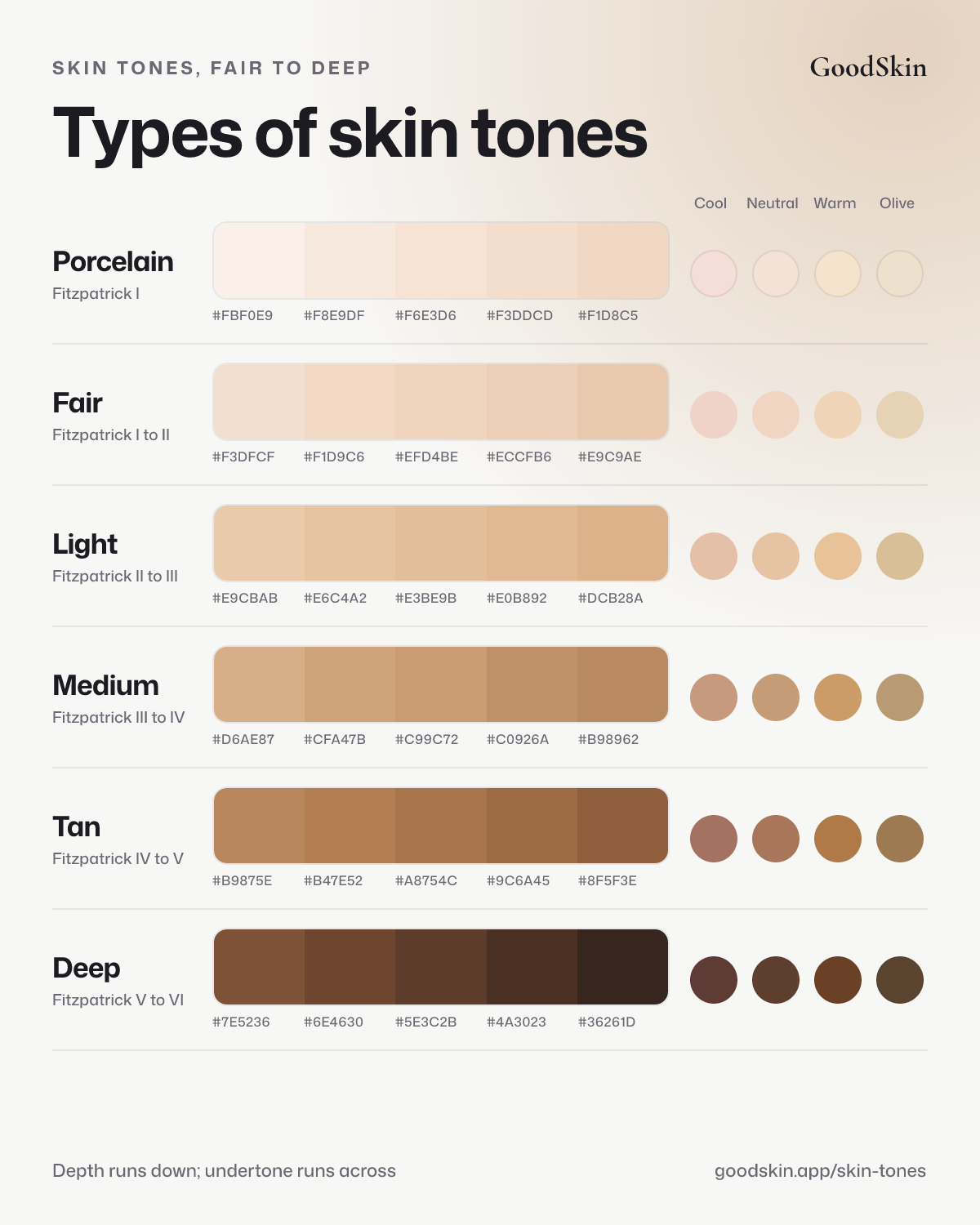
Save the skin tone swatches
All six depths on one card, with hex codes for every swatch and the four undertones of each. Keep it on your phone for foundation shopping, and compare it with your jaw by a window.
Download the swatchesSkin tone FAQ
What are the types of skin tones?
Skin tones are usually grouped by depth: porcelain, fair, light, medium, tan, and deep. Many charts merge porcelain into fair for five groups. Each depth also has an undertone, which can be cool, neutral, warm, or olive.
How do I know my skin tone?
Look at your jaw and neck in daylight with no makeup, pick the closest depth from fair to deep, then check your undertone with gold and silver or white and cream. The free skin tone and undertone test can estimate both from a selfie.
What is the difference between skin tone and undertone?
Skin tone is the surface color you see, from fair to deep, and it changes with a tan. Undertone is the cast underneath (cool, neutral, warm, or olive), and it stays about the same all your life. You need both to choose foundation and colors.
How many skin colors are there?
There is no fixed number, because skin color is continuous. Scales split it into steps for different jobs: the Fitzpatrick scale uses six types based on sun reaction, the Monk Skin Tone Scale uses ten shades, and many foundation ranges have dozens.
Is olive a skin tone?
Strictly, olive is an undertone: a muted green-gray cast that can sit under light, medium, tan, or deep skin. People often call medium olive skin an olive skin tone. Our olive skin tone guide covers it in full.
See your skin tone in a full report
A GoodSkin scan shows your skin tone and skin type, and scores 14 traits like pigmentation, redness, and dark spots from one selfie.


Scan with your phone camera