Skin science
Lymphatic drainage face massage: a 3-minute depuff routine
Lymphatic drainage face massage moves fluid, not fat. Here is a 3-minute routine step by step, when it helps puffiness, and who should skip it.

Key takeaways
- Lymphatic drainage face massage is a very light massage that moves extra fluid from puffy spots toward the lymph nodes in front of your ears, under your jaw, and down your neck.
- Start at your neck, then stroke outward and downward from the middle of your face, with just enough pressure to move the skin. Three minutes is enough.
- It helps most with fluid puffiness: on waking, after a salty dinner or alcohol, after a short night, or during allergy season. The effect lasts hours, not days.
- It moves fluid, so it can't melt fat, reshape bone, or give you a different jawline.
- Skip it with an infection, fever, swollen or hard lymph nodes, or a blood clot, and ask first after surgery or fillers, or if you have lymphedema, heart disease, or kidney disease.
Lymphatic drainage face massage, also called a lymphatic drainage facial, is a very light massage that moves extra fluid out of puffy areas, like under your eyes and along your cheeks and jaw, toward the lymph nodes in your neck, where your body clears it. You start at the neck, then stroke outward and downward from the middle of your face with just enough pressure to move the skin, and the whole routine takes about three minutes.
It works best on fluid puffiness: the swollen look you wake up with, or get after a salty dinner, a drink, a short night, or a bad allergy day. The effect lasts hours, not days, and since it moves fluid rather than fat or bone, it won’t change the shape of your face. Below is the routine step by step, when it’s worth doing, what it can’t do, and who should skip it.
What is lymphatic drainage massage?
Your lymphatic system is a network of thin vessels that collects the fluid that leaks out of your blood vessels into the tissues and carries it through your lymph nodes and back into your blood. Unlike blood, lymph has no heart pushing it along. It moves when you move, breathe, and stay upright.
Lymphatic drainage massage started as a medical treatment. Cleveland Clinic describes it as a gentle massage that a trained therapist uses to ease swelling from lymphedema, a long-term condition where the lymphatic system doesn’t drain properly, by moving fluid toward working lymph vessels and nodes. It is also a popular cosmetic treatment, and the face version is the one filling your feed.
Lymphatic drainage in the face: why it can help puffiness
Your face fills with fluid easily. The skin around your eyes is thin and the tissue underneath is loose, and when you lie flat for hours, fluid settles there instead of draining down. Mayo Clinic lists fluid retention on waking or after a salty meal as a common cause of puffy eyes, along with short sleep and allergies.
The lymph vessels that drain your face sit just under the skin and run toward nodes in front of your ears and under your jaw, then down the sides of your neck. That’s why the pressure has to be so light. In Cleveland Clinic’s self-massage guide, a massage therapist says to work the skin, not the muscle, and says the routine may lessen puffiness if you wake up a little puffy or congested. Pressing harder doesn’t drain more. It only works the muscle underneath and can leave your skin red and irritated.
Be clear about what the evidence covers. Lymphatic drainage has real research behind it for lymphedema, mostly in the arms after breast cancer treatment. For everyday facial puffiness there are no good trials, and Cleveland Clinic notes that if you don’t have lymphedema, you may not see meaningful results. What people describe is a face that looks less swollen for a few hours, which fits what moving fluid can do. It’s low risk, it costs nothing, and you’ll know within a few mornings whether it does anything for you.
How to do lymphatic drainage face massage in 3 minutes
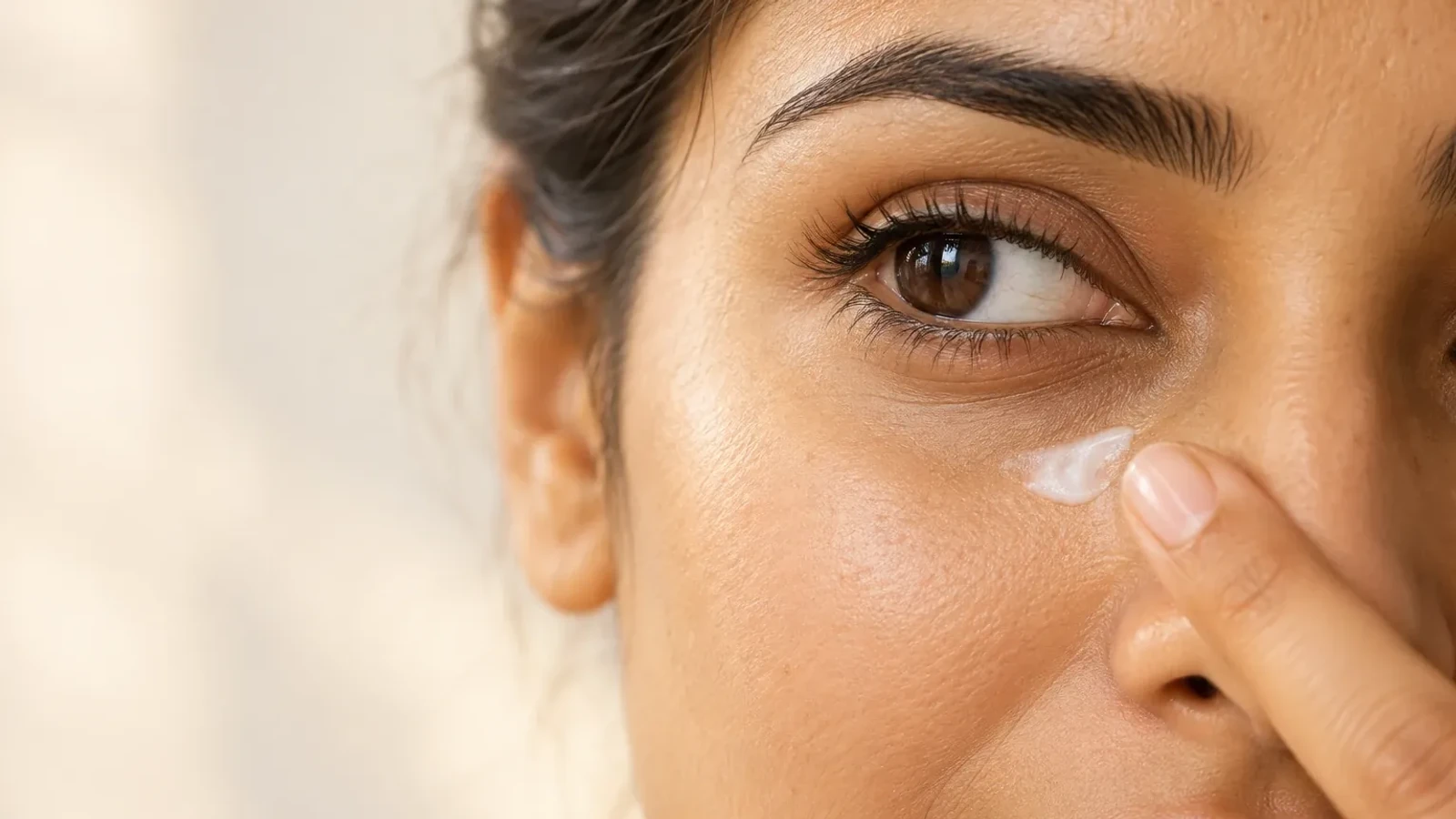
Do this with clean hands, ideally after a warm shower. Smooth on a few drops of face oil or your usual moisturizer so your fingers glide without tugging, then take a few slow breaths. Use the flat pads of your fingers, move slowly (about one second per stroke), and press only as hard as you would to stroke a cat. If the skin under your fingers turns red, ease off.
- Neck first (30 seconds). Rest your fingers flat on the sides of your neck, just below your ears. Sweep gently down to your collarbones, 10 times. Then rest your fingertips in the small hollows just above your collarbones and make 5 slow, soft circles. Therapists start here so the fluid you move from your face has somewhere to drain.
- Jawline (30 seconds). Place your fingers under your chin and glide outward along your jaw to just below your ears, then down the side of your neck. Repeat 5-10 times.
- Cheeks (30 seconds). Start beside your nose and glide out across your cheeks to the front of your ears, then down your neck. Repeat 5-10 times, moving a little higher on the cheek each pass.
- Under your eyes (20 seconds). With your ring fingers, the weakest ones, tap or glide very lightly along the bone under each eye, from the inner corner out to your temples. Stay on the bone and never drag the thin skin on the lid.
- Forehead (20 seconds). Glide from the middle of your forehead out to your temples, then down in front of your ears. Repeat 5-10 times.
- Finish at the neck (30 seconds). Repeat the neck sweeps from step 1, 10 times.
To finish, splash your face with cold water or hold a cold, damp washcloth on it for a minute. Cold narrows blood vessels and calms swelling, so it adds to the effect, and it’s the step our guide to face bloat puts first for a puffy morning.
When lymphatic drainage helps most
The routine earns its three minutes when puffiness is fluid that comes and goes:
- Mornings. Fluid settles in your face while you sleep, so most people look puffiest in the first hour after waking.
- After salt or alcohol. Takeout, instant noodles, soy sauce, and a few drinks the night before all make your body hold on to water.
- After a short night. Too little sleep leaves the eye area puffier and darker.
- During allergy season. Hay fever and dust or pet allergies inflame the tissue around your eyes and nose. Treating the allergy matters more than massage, but a light routine can help the look in the morning.
- Before a photo or a call. Combined with cold, it’s a quick fix for an hour or two.
Other habits shrink puffiness too: sleep with your head slightly raised, go easy on salt and alcohol at night, and get up and move, since fluid drains better when you’re upright. If puffiness mostly sits under your eyes and looks the same every day, it may be structural rather than fluid, and our guide to eye bags explains how to tell the two apart.
What lymphatic drainage can’t do
The routine moves fluid, so its limits are clear:
- It doesn’t melt fat. Fat under the skin is tissue, not fluid, and pressing on it doesn’t break it down or move it.
- It doesn’t contour bone or change your face shape. A face can look sharper on a puffy morning once the swelling goes down, but the shape underneath stays the same. If you want to know your face shape, our free face shape detector works best on a photo taken on a non-puffy day.
- It doesn’t lift sagging skin. Jowls and a softening jawline come from changes in bone, fat, ligaments, and skin with age, and our guide to jowls covers what helps them.
- The results are temporary. Fluid comes back overnight, after the next salty meal, or on the next short night. That’s normal, and it’s why the routine is a morning habit rather than a one-off fix.
Who should skip lymphatic drainage or ask a doctor first
For most people a light face massage is safe. Cleveland Clinic lists some situations where lymphatic drainage massage should be avoided, and others where it’s worth checking first:
- An infection or a fever. Skip it while you’re ill, including with a sinus infection, cellulitis, or an infected spot on your face. Cleveland Clinic’s self-massage guide says not to do it in the active phase of an illness.
- Swollen lymph nodes. Lumps in your neck or under your jaw are usually your body fighting a cold or a throat infection, and the NHS says they should go down within 1 to 2 weeks. Don’t massage them. See a doctor if they keep getting bigger, feel hard, or don’t move when you press them.
- Blood clots, heart disease, or kidney disease. Cleveland Clinic lists all three among the reasons to avoid lymphatic drainage massage, so ask your doctor first.
- Recent surgery, fillers, or other injections. After facial surgery, a dental procedure, filler, or Botox, ask the person who treated you before you massage the area, and follow their timing.
- Lymphedema. If you have swelling from lymphedema, including after cancer treatment in the head and neck, the NHS says specialised massage is part of treatment, and that’s a job for a trained therapist on your care team, not a routine from a video.
- Broken or irritated skin. Skip open spots, active breakouts, sunburn, or a rosacea flare. Gliding over them only irritates them more.
Hands, gua sha, or a roller?
Your hands are the best tool for this routine. They feel how hard you’re pressing, they fit the curve of your neck, and you never forget them on vacation.
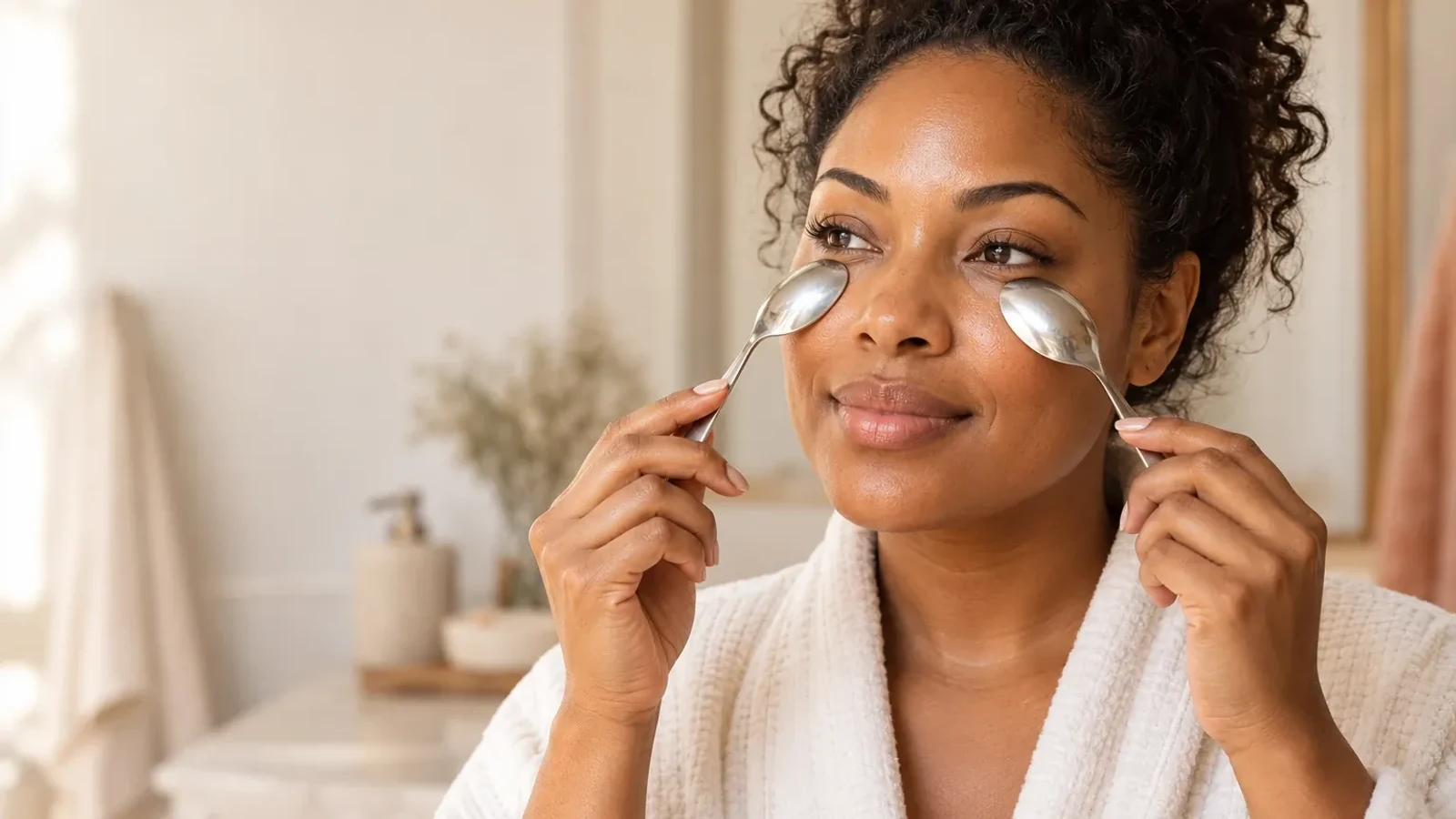
A gua sha stone or a facial roller is fine if you enjoy it, as long as you keep the pressure light, use plenty of oil, and follow the same directions. A roller kept in the fridge adds cold, which helps on its own. The research is small. In a 2018 study, five minutes with a facial roller raised blood flow in the massaged cheek for more than ten minutes, but it measured blood flow, not puffiness. In a 2025 randomized trial, 33 women used a gua sha edge or a roller for 10 minutes, five days a week, and measured face distances shrank by about 2-3 mm in both groups. There was no untreated group, though, so it can’t show whether the tools did more than depuffing would. Skip tools with sharp edges or heavy scraping on your face, which can leave red marks and tiny broken blood vessels.
Make it a morning habit
Puffiness swings from day to day, so it’s easy to fool yourself about whether a massage, a pillow, or skipping late-night ramen is working. Take your before photo at the same time each morning, in the same light, and do the routine for a week. GoodSkin’s AI skin analysis scores Bloat on the same scale every time, so you can see your puffiest days and the habits behind them, with your skin score, skin age, and every other trait in the same scan.
Sources
- Cleveland Clinic: Lymphatic drainage massage
- Cleveland Clinic Health Essentials: How to do lymphatic drainage self-massage
- Mayo Clinic: Bags under eyes, symptoms and causes
- NHS: Lymphoedema
- NHS: Swollen glands
- Miyaji et al. Short- and long-term effects of using a facial massage roller on facial skin blood flow and vascular reactivity. Complement Ther Med, 2018
- Journal of Cosmetic Dermatology: Facial roller and gua sha massage, randomized trial (2025)
Frequently asked questions
How long do the results of lymphatic drainage on the face last?
A few hours at most. You're moving fluid that has collected in the tissue, and it builds up again overnight or after the next salty meal, which is why people who like it make it a morning habit.
How often can you do a lymphatic drainage facial?
Every day is fine if your skin is calm, because the pressure is so light. If your skin turns red, stings, or breaks out where your fingers glide, use less pressure, more slip, or take a few days off.
Can facial lymphatic drainage give you a sharper jawline?
Only for a few hours, and only if puffiness is softening it. The shape of your jaw comes from bone, fat, muscle, and skin, and a light massage changes none of them. Our guide to jowls covers what does.
Should lymphatic drainage massage hurt?
No. It should feel like barely anything. If you can feel your fingers pressing into muscle or it leaves you sore or red, you're pressing too hard, which can irritate the skin and works against the light touch the technique relies on.
This article is general education, not medical advice. GoodSkin is a cosmetic tool and does not diagnose skin conditions. If something hurts, spreads, bleeds, or changes quickly, see a dermatologist.